Caring for your skin is an expression of self-respect. When you seek natural, safe treatments with visible results, you deserve clear information and compassionate guidance. At Dea Beauty Clinic, non-surgical facial and skin treatments are designed to integrate health with beauty, supporting your unique confidence and well-being. If you’re noticing fine lines, pigmentation, uneven texture, or subtle changes in firmness, advanced professional approaches can offer options for smoother, more radiant skin – with minimal disruption to your life and without surgery.
Facial rejuvenation has progressed far beyond past methods, with advancements in technology and evidence-based medicine bringing forward non-invasive and minimally invasive treatments. Every approach has its strengths and considerations. The best pathway is personalized for your needs, safety, and appearance goals, never one-size-fits-all.
Here, we highlight the top five treatments defining safe, natural skin rejuvenation for 2026, so you can make informed and confident choices. Clinical expertise and practical advice guide you throughout. It’s always crucial to consult with a professional: this guide provides information, not medical advice.
What non-invasive skin treatments can – and cannot – do
Skin rejuvenation involves much more than over-the-counter products. Advanced methods now provide real options for improvement, yet it is essential to approach these choices with accurate expectations and a grounded understanding of treatment categories.
Understanding non-invasive versus minimally invasive treatments
- Non-invasive treatments do not break the skin or enter tissues. Examples include light therapies, superficial chemical peels, and microdermabrasion. These procedures generally yield mild discomfort and carry a low risk of infection.
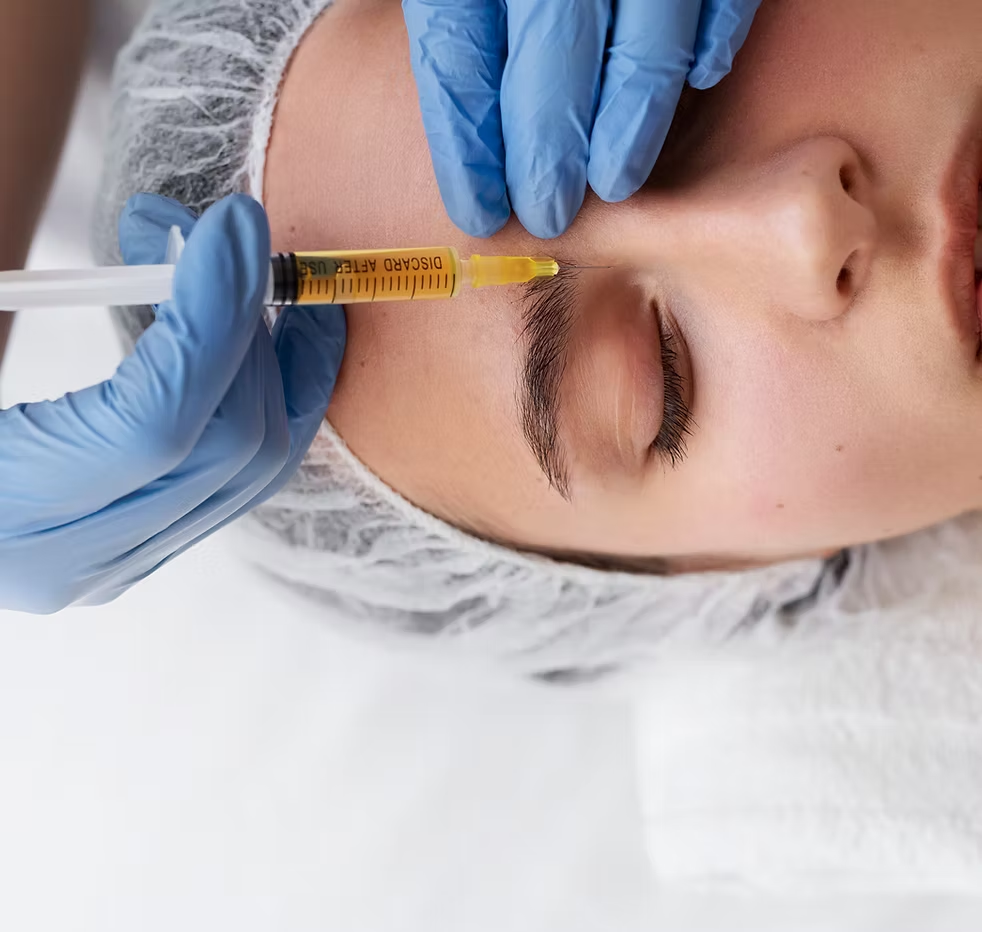
- Minimally invasive treatments, such as microneedling or injectables, involve tiny punctures in the skin. The injuries are carefully controlled and shallow, delivering therapeutic benefits with typically straightforward recovery.
The gradual nature of improvement and importance of maintenance
Most non-surgical treatments result in gradual changes. Some offer noticeable improvement within days, while those stimulating collagen may show full benefits over several weeks. Consistent maintenance and healthy habits – especially sun protection – help sustain results.
Variations in results depending on individual factors
Skin type, age, genetics, sun history, and supporting skincare routines all influence outcomes. No single method suits everyone. Multiple sessions often yield the best and longest-lasting improvements. Individual assessment ensures the experience is safe and suited to your needs.
How we selected the top five treatments for youthful skin in 2026
The treatments we selected reflect the needs of clients across the Greater Toronto Area who seek meaningful, safe results with minimal downtime and suitability for varied skin types:
- Target concerns addressed: Priority was given to options that help sun spots, pigmentation, redness, uneven surface texture, fine lines, and mild to moderate laxity – very common goals for healthy, youthful skin.
- Balance of effectiveness and safety: Every method has a strong track record, with safety supported by scientific study and clinical practice.
- Low downtime and diverse suitability: Treatments included generally require little to no interruption of your schedule and are adaptable for a range of complexions when performed by skilled clinicians.
The top 5 non-invasive treatments for youthful-looking skin
1. Intense Pulsed Light (IPL) with Lumecca for pigmentation and vascular lesions
Lumecca IPL is a medical-grade, light-based system targeting sun spots, pigmentation, and visible veins on the face or body. It delivers precise pulses of light that selectively heat and clear away unwanted pigment and blood vessels without damaging surrounding skin.
Benefits:
- Visibly reduces freckles, sun spots, redness, and small blood vessels
- Improves skin tone clarity and radiance
Limitations and safety information:
- Most effective for lighter skin types and visible pigmentation
- Temporary redness or mild swelling may occur; treated areas could darken and flake before fading
- Not designed to treat deeper wrinkles or significant sagging
- A thorough skin type assessment is critical to reduce risk of pigment alteration or uneven results
For a deeper overview, explore Lumecca IPL treatment for pigmentation and vascular lesions.
2. Superficial chemical peels for texture and mild discoloration
Superficial chemical peels provide clinical exfoliation. By removing only the outermost skin layer, they smooth rough areas and regenerate a brighter complexion. Fine lines and minor pigment concerns often benefit.
Benefits:
- Refreshes dull skin
- Refines surface texture and boosts radiance
- Safe for most skin types with professional application
Limitations and safety information:
- Most visible with a series of peels
- Possible mild redness, tingling, or flaking for a few days
- Not for deeper wrinkles or sagging
- Inappropriate at-home use or excessive formulations can be hazardous; professional supervision is a necessity
You can find detailed descriptions of chemical peels and microneedling treatments available at Dea Beauty Clinic.
3. Microneedling – minimally invasive with collagen stimulation
Microneedling uses a purpose-designed device equipped with fine, short needles to create controlled micro-injuries. These activate the body’s repair process, especially collagen and elastin formation. The result is smoother, firmer skin and improved texture.
Benefits:
- Softens mild acne scars, refines texture, and smooths lines
- Supports natural collagen production
- Recovery is typically limited to transient redness and sensitivity
Limitations and safety information:
- Should be performed only by trained, licensed providers
- Not suitable for anyone with active skin infections, certain immune or bleeding conditions, or recent skin procedures
- At-home devices pose infection and scarring risks – avoid unsupervised attempts
Microneedling is often combined with Platelet-Rich Plasma (PRP) for skin rejuvenation for enhanced natural results.
4. Radiofrequency skin tightening, emphasizing safety and licensed use
Radiofrequency (RF) skin tightening delivers controlled electrical energy to targeted layers below the skin surface, causing gentle heating and contraction of collagen fibres. Devices like the Morpheus8 system pair RF with microneedling for improved firmness plus texture refinement.
Benefits:
- Gradually improves mild laxity and contours along the face, jawline, neck, or body
- Can enhance skin texture when paired with microneedling
- Suitable for those not ready for surgical lifting
Limitations and crucial safety details:
- The Food and Drug Administration (FDA) issued a 2025 safety communication citing reports of burns, fat loss, scarring, and nerve damage tied to certain RF microneedling devices
- This procedure must be performed only by licensed, trained professionals who understand device safety and anatomy
- Not a substitute for surgery, and risks vary; carefully discuss expectations and side effects in advance
- Never attempt RF microneedling at home or from unregulated providers
Read more about safe Morpheus8 radiofrequency microneedling treatment.
5. Microdermabrasion for gentle exfoliation and surface improvement
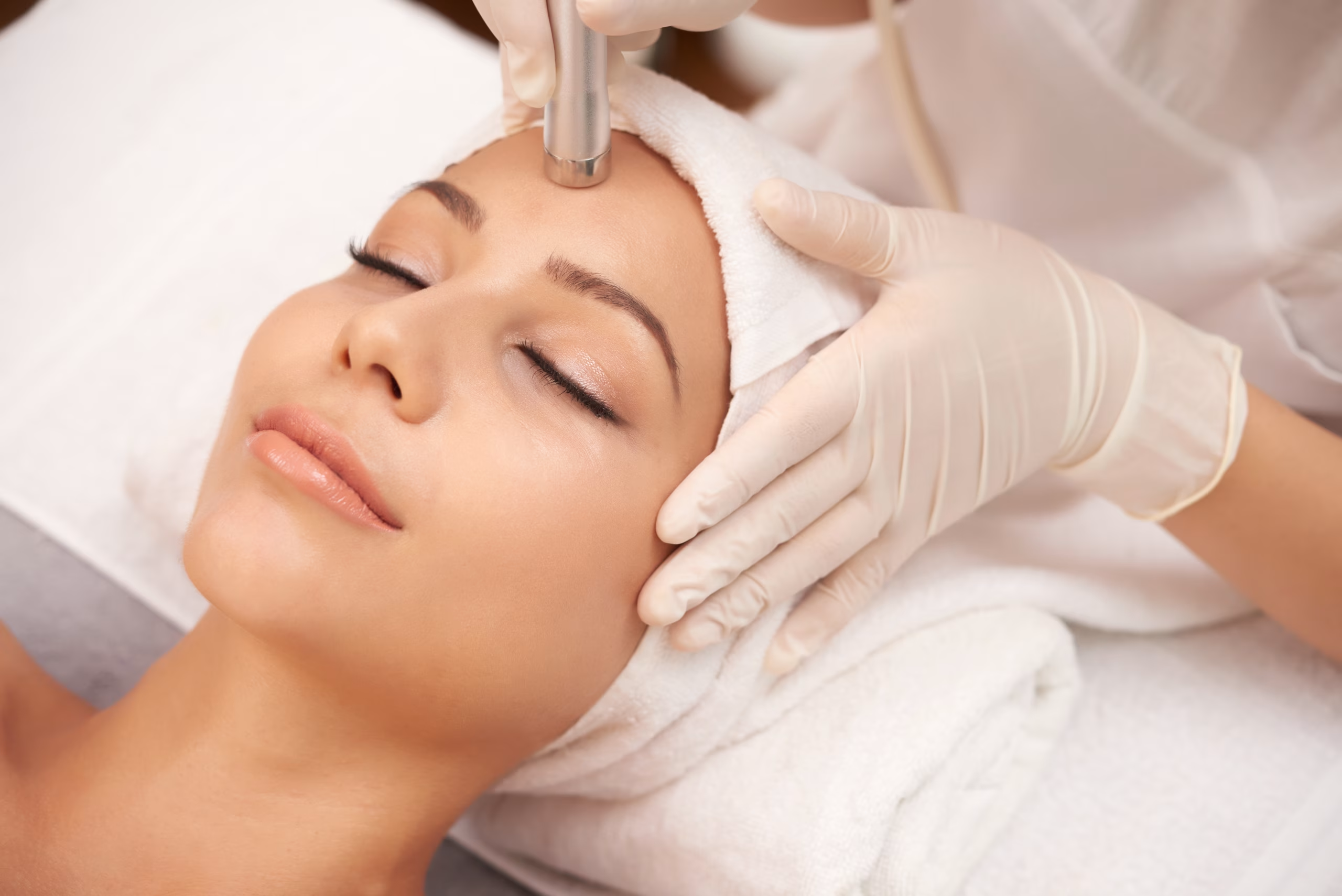
Microdermabrasion is a non-invasive procedure using a fine abrasive or crystal application to buff away superficial dead skin. This acts as a gentle refresh, instantly softening rough patches and brightening tired skin.
Benefits:
- Immediate refinement of texture, improvement of minor dullness
- Zero downtime in most cases
- Appropriate for ongoing maintenance and subtle enhancement
Limitations and safety details:
- Results are modest compared to peels or light-based therapies
- Not effective for deeper pigmentation, wrinkles, or skin laxity
- May cause transient pinkness but is generally well-tolerated under professional care
Comparison at a glance: concerns treated, invasiveness, recovery, and precautions
| Treatment Category | Targeted Concerns | Invasiveness | Typical Recovery | Safety Notes and Caveats |
|---|---|---|---|---|
| Lumecca IPL | Sun spots, age spots, redness, veins | Non-invasive | Few hours to 2 days | Assess skin type for pigment risks; temporary darkening or redness may occur |
| Superficial Chemical Peel | Mild texture, dull skin, light spots | Non-invasive | Mild redness, flaking | Professional supervision crucial; avoid home use for anything but the mildest peels |
| Microneedling | Fine lines, texture, mild scars | Minimally invasive | 1–2 days mild redness | Should only be done in a clinical setting; avoid with active infection |
| RF Tightening (Morpheus8) | Mild laxity, lines, contour | Minimally invasive (if needles), otherwise non-invasive | Possible swelling/redness, up to a week | FDA reports of burns, scarring, fat loss, nerve damage – seek only licensed providers |
| Microdermabrasion | Surface roughness, dullness | Non-invasive | None to mild pinkness | Professional application best; subtle results, excellent for routine maintenance |
Choosing the right treatment for your skin
Selecting a treatment is a personal decision. Your skin’s needs, your lifestyle, and your comfort level all matter.
- Identify your main concerns: Are brown spots, redness, uneven texture, fine lines, or sagging your focus?
- Factor in your skin tone and pigment history: Some treatments are more suitable for certain complexions, and past pigmentation issues may need special care.
- Consider what downtime and frequency fit your schedule and budget.
- Ensure you see a licensed, experienced provider: Choose a clinic with regulated health professionals who perform a full assessment, clearly communicate, and put your safety first.
Feel free to bring questions. Clear discussion leads to a solution that honours your health and beauty equally.
Before and after your treatment: what to expect
Preparation and aftercare are essential for safe, satisfying results. Expect the following steps:
- Share your health history: Provide your provider with all relevant medical information, including current medications, allergies, bleeding disorders, immune issues, and any prior skin procedures.
- Follow specific preparation instructions: You may need to avoid sun, pause certain skincare products, or shave the treatment area.
- Aftercare tips:
- Protect treated skin from sun with broad-spectrum sunscreen or physical coverings.
- Use only gentle cleansing and moisturizers as recommended.
- Avoid picking, scratching, or applying makeup until cleared.
- Allow time for natural healing; don’t rush recovery by using harsh products.
- Know when to seek help: Contact your provider promptly if you notice increasing pain, swelling, blisters, pus, fever, or major skin colour change.
Your safety and comfort are vital. Providers expect your questions and want you to feel confident before, during, and after your procedure.
Safety and provider expertise matter
Quality outcomes depend on skilled hands, regulated knowledge, and up-to-date safety standards.
- Risks include burns, pigment changes, infection, scarring, and – if done improperly – nerve damage or permanent tissue changes.
- The FDA has reported serious complications from RF microneedling, including burns, scarring, fat loss, and nerve injury. Only seek treatment from licensed, medically knowledgeable providers.
- Never attempt microneedling, radiofrequency, or strong peels at home. Cleanliness and supervision are non-negotiable for safety.
- Before consenting to treatment, ask:
- What device is being used? For which conditions is it Health Canada-cleared or FDA-cleared?
- Is the clinician licensed, trained, and experienced with this technique?
- What risks, alternatives, and maintenance needs apply for your skin type?
- How do they respond to complications?
- How many sessions are recommended?
Collaboration with your provider builds lasting beauty and safety.
Frequently asked questions
What distinguishes non-invasive from minimally invasive skin treatments?
Non-invasive procedures do not disrupt the skin’s surface – light, laser, or topical exfoliation are examples. Minimally invasive methods (like microneedling or injectables) use needles to penetrate just beneath the skin without surgery or prolonged healing.
Which treatment is best for sun spots, pigmentation, or redness?
Light-based systems – particularly Lumecca IPL treatment for pigmentation and vascular lesions – are the standard for visible sun damage and unwanted facial or body redness.
What helps improve texture or fine lines?
Options include mild chemical peels, microneedling, and microdermabrasion. For deeper support, combining microneedling with Platelet-Rich Plasma (PRP) for skin rejuvenation can enhance natural results.
How long is recovery for these treatments?
Recovery may be immediate (microdermabrasion), a few hours to a couple days (peels, IPL, microneedling), or up to a week for more intensive RF microneedling.
Are these procedures suitable for darker skin tones?
Many can be tailored for all complexions, especially peels and microneedling under experienced care. Light-based devices require clinician judgment for safe use in deeper skin tones.
Are there serious risks with RF microneedling?
FDA communications highlight risks like burns, scarring, fat loss, and nerve injury. Only trust radiofrequency microneedling to licensed, fully trained medical professionals.
Can I use at-home versions of these treatments?
Home-use devices lack precision and sterilization. At-home microneedling, peels, or light gadgets frequently cause inconsistent results or injuries. Treatments should occur in a professional, sterile environment.
How long do results last, and is maintenance needed?
Results can be long-lasting with maintenance. Multiple sessions are often needed. Touch-ups and ongoing protection maximize benefits.
Should I consult a dermatologist or medical aesthetician in advance?
Yes. Each procedure has considerations: professional guidance ensures the safest, most effective approach.
What about dynamic wrinkles (expression lines)?
For frown lines, crow’s feet, or forehead creases, consider Anti-wrinkle Botox treatments as safe, minimally invasive injectable options that can complement other skin rejuvenation treatments.
All information here is for guidance and education only. These materials are not a replacement for medical assessment or advice. Always consult a qualified healthcare professional about your goals, safety, and best options. At Dea Beauty Clinic, your comfort and results are our top priorities. Book a personalized consultation to begin your journey to vibrant, healthy skin.